
Small Animal Dental Care
Dental Scale & Polish starting from: $499.00
The Importance of Dental Health
Dental health is a crucial aspect of your pet’s overall well-being. Just like us, animals can suffer from a variety of dental problems, including plaque, tartar buildup, gum disease, and tooth loss. These issues can not only affect your pet’s ability to eat and drink comfortably but can also lead to more serious health issues. Poor dental hygiene has been linked to heart, liver, and kidney diseases, as bacteria from the mouth can spread to these organs through the bloodstream. Regular dental care helps prevent these conditions and ensures a longer, healthier life for your pet.
What Does a Dental Procedure Involve?
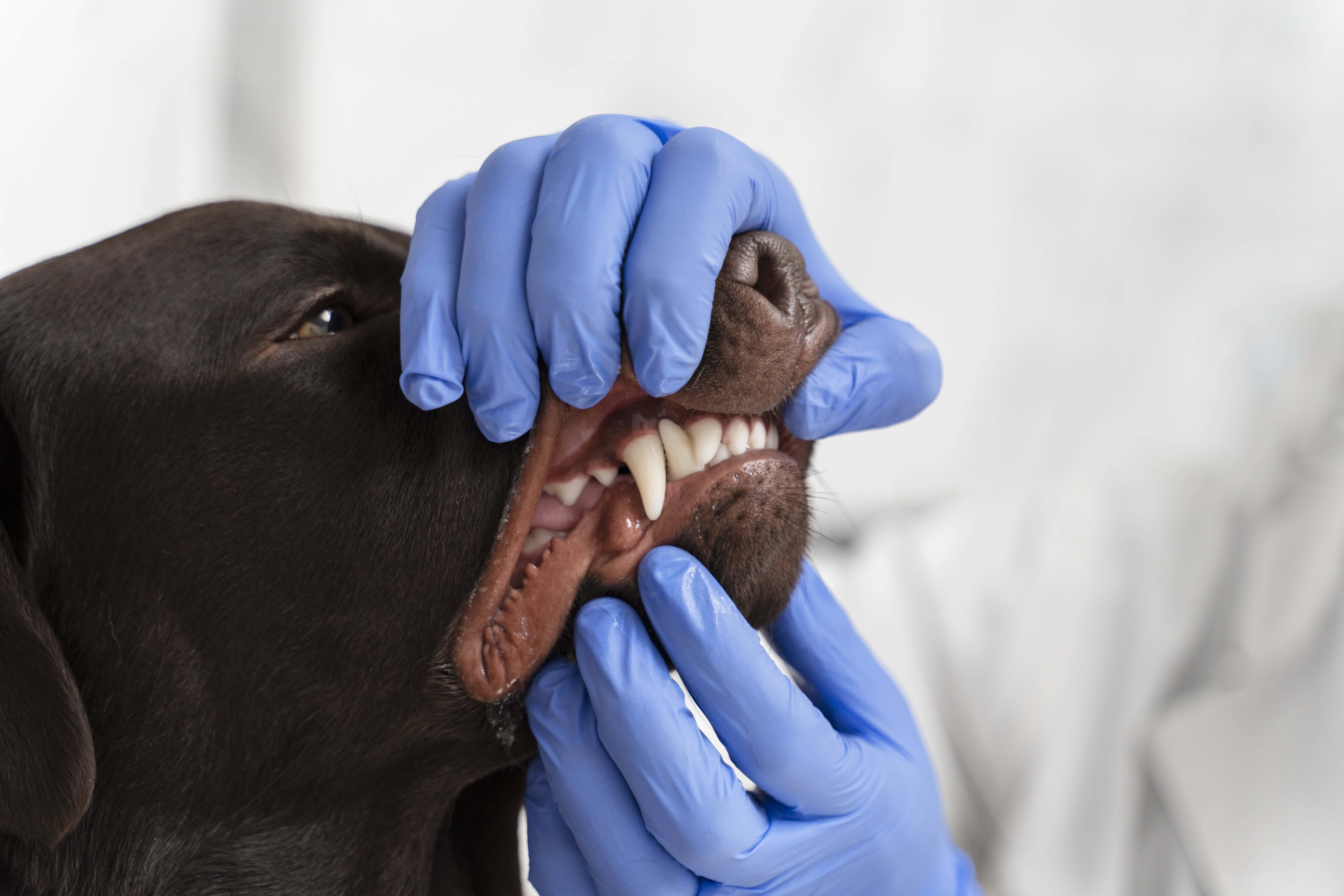
A professional dental cleaning for your companions typically involves a thorough examination of your pet’s mouth, followed by the removal of plaque and tartar from the teeth. This is usually done under general anaesthesia to ensure your pet is comfortable and safe during the procedure. During the cleaning, our veterinary team will carefully clean above and below the gum line, where dental disease often starts. In addition, we may take dental x-rays to assess the health of the teeth and identify underlying issues that are not visible to the naked eye.
If dental disease is detected, extractions or other treatments may be required. After the cleaning, your pet’s teeth will be polished, helping to smooth the surface and reduce future plaque buildup.
Signs of Dental Disease
Dental disease in pets can develop slowly and might not be immediately noticeable. Does your pet have any of the following signs?
- Bad breath (halitosis) – a noticeable foul odour coming from your pet’s mouth
- Red, swollen or bleeding gums – indicative of gum inflammation or gingivitis
- Excessive drooling – particularly if it’s accompanied by difficulty eating or drinking
- Difficulty chewing or reluctance to eat – your pet may be in pain or discomfort
- Loose or missing teeth – signs of advanced dental disease
- Pawing at the mouth or face – your pet may be trying to relieve pain in the mouth
- Change in behaviour – inability or reluctance to be touched around the face.
If you notice any of these signs, it’s important to consult with your veterinarian for a dental examination and early intervention.
Preventing Dental Disease at Home
Prevention is always the best approach to dental care. Establishing a consistent home dental care routine can help minimise the risk of dental disease and keep your pet’s mouth healthy between professional dental cleanings. Here are some tips for at-home dental care:
- Brushing your pet’s teeth: Regular brushing is the most effective way to remove plaque buildup. Use a pet-specific toothbrush and toothpaste and aim to brush your pet’s teeth several times a week or for best results, daily.
- Dental chews and toys: Providing your pet with dental chews, treats or toys designed to help with clean teeth can be a great supplement to brushing.
- Dental diets: Certain prescription or specifically-formulated pet foods can help reduce plaque buildup and promote overall oral health.
- Routine check-ups: Schedule regular veterinary check-ups to monitor your pet’s dental health and catch any issues early.
By maintaining good dental hygiene at home and seeking veterinary assistance when needed, you can help ensure your pet’s teeth and gums stay healthy for years to come.
We accept